Comcast falsely advertises cable Internet as "fiber-powered," AT&T lawsuit says
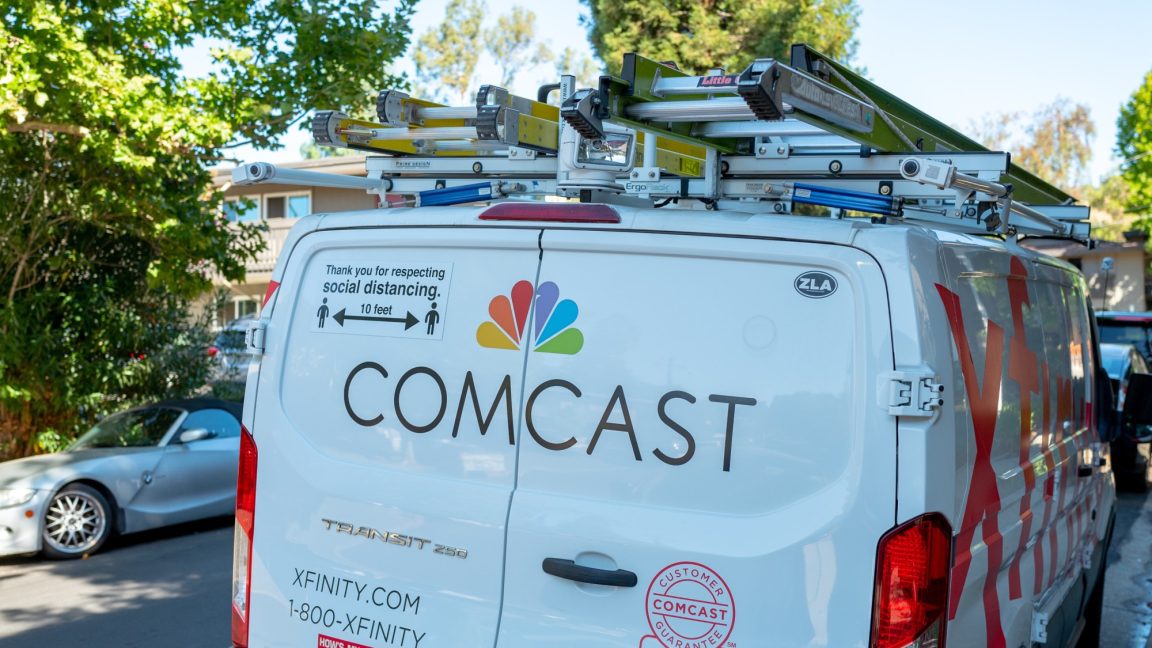
AT&T demands Comcast give AT&T profits it made from advertising cable as fiber.
The lawsuit filed by AT&T against Comcast highlights a critical issue in the net industry, where the accuracy of advertising claims can significantly impact consumer decisions. By allegedly misrepresenting its cable Internet service as "fiber-powered," Comcast may have misled customers into believing they are receiving a superior product. This matter is particularly important in the context of the net economy, where the demand for high-speed and reliable internet connections is increasing, driven by the growth of online services and applications.
The distinction between cable and fiber Internet is not merely semantic, as fiber optic connections generally offer faster speeds, lower latency, and greater reliability compared to traditional cable connections. AT&T's lawsuit suggests that Comcast's advertising practices may have unfairly competed with AT&T's own fiber-based services, potentially diverting customers away from genuinely fiber-powered options. This dispute underscores the need for transparency and truthfulness in advertising within the net industry, ensuring that consumers can make informed decisions based on accurate information about the services they are purchasing.
As this lawsuit progresses, it will be essential to watch how the court interprets the advertising claims made by Comcast and whether the company is found liable for any misleading practices. The outcome could set a precedent for how internet service providers advertise their services, potentially leading to stricter regulations or guidelines on what constitutes truthful advertising in the net industry. Furthermore, the case may prompt other ISPs to reevaluate their marketing strategies, leading to greater clarity and transparency for consumers navigating the complex landscape of internet service options.
Originally reported by arstechnica.com. NetNewsletter adds analysis for ai & agent economy readers.