Explaining Hall-effect, TMR, and other new types of "mechanical" switches
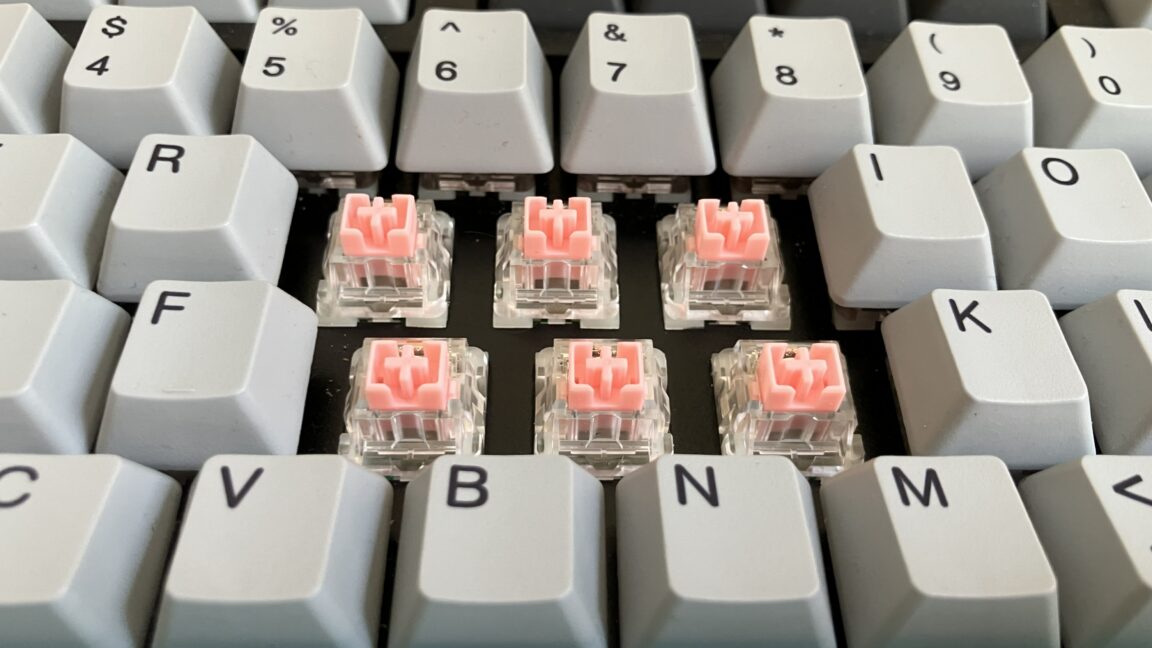
Ars Technica's guide to new keyboard sensing technologies.
The article from Ars Technica provides an in-depth look at emerging keyboard sensing technologies, including Hall-effect and Tunnel Magneto-Resistance (TMR) switches. These new types of mechanical switches aim to revolutionize the way keyboards interact with users, offering improved durability, accuracy, and customization options. By leveraging advancements in materials science and sensor technologies, these switches can detect subtle changes in magnetic fields, allowing for more precise and reliable key registration.
The significance of these developments lies in their potential to enhance the overall typing experience, addressing long-standing issues such as switch wear and tear, and providing a more immersive interaction with digital devices. As the demand for high-performance keyboards continues to grow, particularly among gamers, programmers, and content creators, the adoption of these new sensing technologies is poised to become a key differentiator in the market. Industry leaders such as Cherry, Kailh, and Razer are already investing heavily in the development of these advanced switches.
As the keyboard industry continues to evolve, it's essential to watch for further innovations in sensing technologies, such as the integration of artificial intelligence (AI) and machine learning (ML) algorithms to optimize switch performance and user experience. Additionally, the increasing adoption of these new switches in various applications, including gaming peripherals, laptops, and mobile devices, will be crucial to monitor. The impact of these advancements on the broader human-machine interface (HMI) landscape will also be worth tracking, as they may pave the way for more intuitive and interactive interfaces in the future.
Originally reported by arstechnica.com. NetNewsletter adds analysis for ai & agent economy readers.