Medieval manuscripts are "biological time capsules" for deadly sheeppox virus
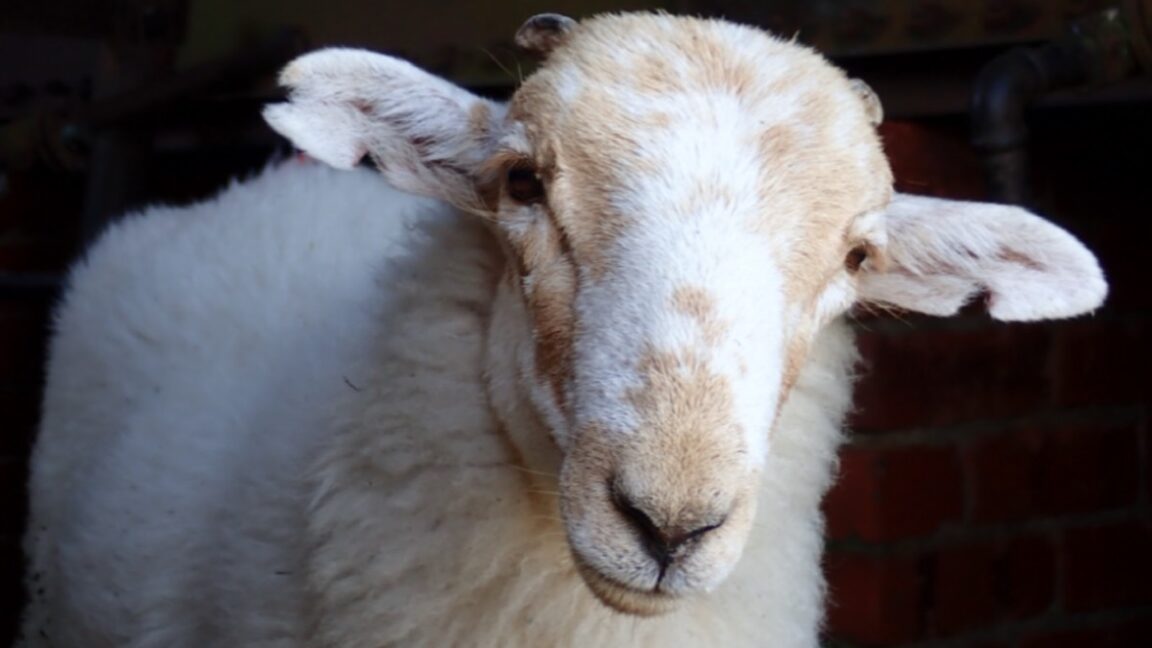
Other archives and libraries around the world may also contain genetic traces of past disease outbreaks.
The discovery of the deadly sheeppox virus in medieval manuscripts highlights the often-overlooked role that historical documents can play in understanding the evolution of diseases. These manuscripts, essentially serving as "biological time capsules," provide a unique window into the past, allowing researchers to track the genetic makeup of pathogens over time. This finding has significant implications for the field of paleovirology, which seeks to reconstruct the history of viruses and their impact on human and animal populations.
The fact that medieval manuscripts can harbor genetic material from viruses like sheeppox underscores the importance of preserving and analyzing historical documents. Archives and libraries worldwide may be unwittingly storing genetic traces of past disease outbreaks, offering a valuable resource for scientists seeking to understand the dynamics of infectious diseases. As researchers continue to explore these historical repositories, they may uncover new insights into the emergence and spread of diseases, ultimately informing strategies for disease prevention and control.
As this field of research continues to evolve, it's essential to watch for further discoveries of ancient viruses in historical documents. Researchers will likely focus on analyzing manuscripts from various regions and time periods to create a more comprehensive picture of disease outbreaks throughout history. Additionally, advances in DNA sequencing technologies will enable scientists to more efficiently and accurately extract genetic material from these documents, potentially leading to breakthroughs in our understanding of the complex relationships between humans, animals, and pathogens.
Originally reported by arstechnica.com. NetNewsletter adds analysis for ai & agent economy readers.