Next-gen AI networks may hinge on the telephone switchboard's return
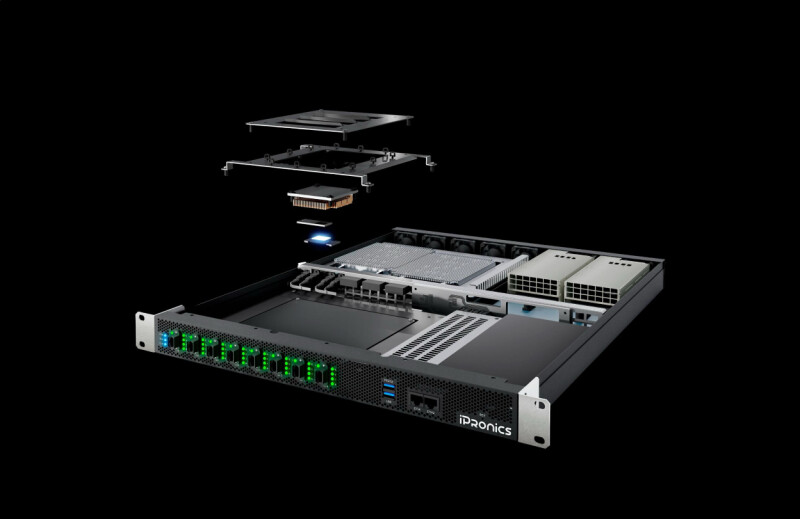
Photonics startups like iPronics are raking in hundreds of millions in funding to make optical circuit switches faster, denser, and cheaper
The resurgence of interest in optical circuit switches, reminiscent of old telephone switchboards, could be a game-changer for next-generation AI networks. The reason is that current AI infrastructure is hitting a bottleneck, with data transfer rates and processing power struggling to keep up with the demands of increasingly complex models. By leveraging the efficiency and scalability of optical interconnects, AI networks can overcome these limitations and support the growth of more sophisticated AI applications.
The startups leading this charge, such as iPronics, are securing significant funding to drive innovation in optical circuit switching technology. This influx of capital will likely accelerate advancements in areas like silicon photonics, which enables the integration of optical and electronic components on a single chip. As a result, we can expect to see faster, more efficient, and cost-effective optical switches that can be deployed at scale in AI data centers. This development has significant implications for the AI industry, as it could enable the widespread adoption of more powerful and complex AI models.
As the AI landscape continues to evolve, it's essential to watch how the adoption of optical circuit switches unfolds. Key areas to monitor include the progress of startups like iPronics, the advancements in silicon photonics and other enabling technologies, and the responses of established players in the AI and data center industries. The successful integration of optical interconnects into AI infrastructure could have far-reaching consequences, from improved performance and efficiency to new opportunities for AI-driven innovation and growth.
Originally reported by theregister.com. NetNewsletter adds analysis for ai & agent economy readers.