Update to Google’s AI weather model improves forecast accuracy
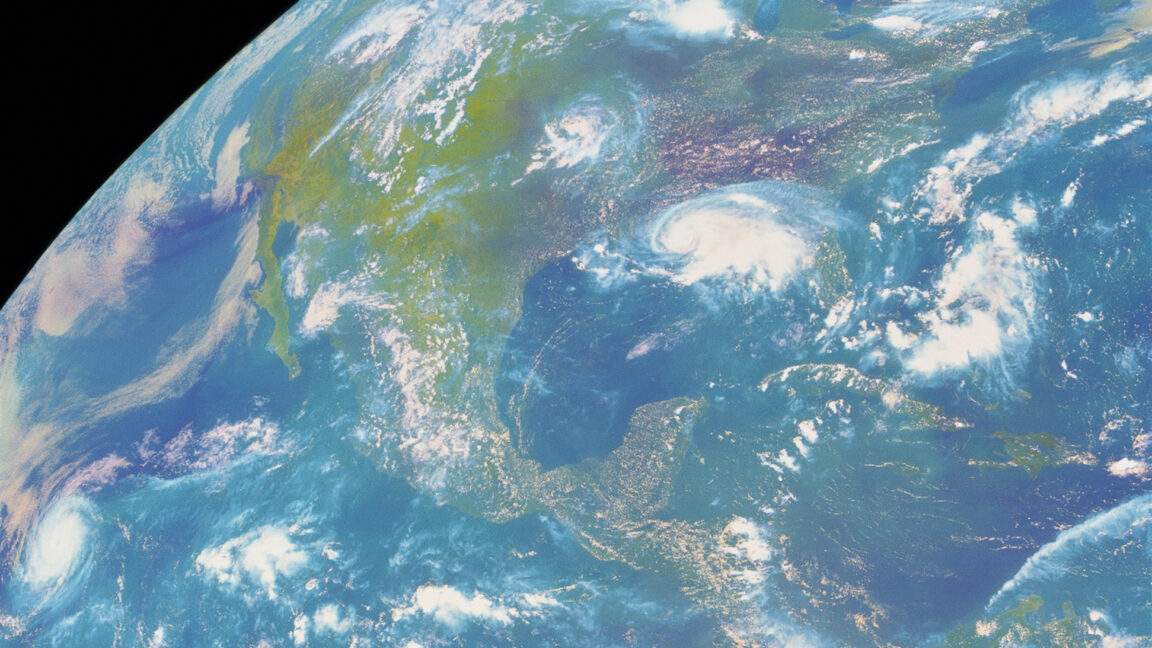
Like traditional weather models, it benefits from an expanded set of inputs.
The update to Google's AI weather model is a significant development in the field of artificial intelligence and its applications in the net economy. By improving forecast accuracy, this model has the potential to impact various industries that rely on weather forecasting, such as aviation, shipping, and agriculture. The fact that it benefits from an expanded set of inputs is a key factor in its improved performance, highlighting the importance of data quality and quantity in AI model training.
The use of AI in weather forecasting is not new, but Google's update is noteworthy because it demonstrates the ongoing advancements in this field. Traditional weather models have long relied on complex algorithms and large datasets, and the incorporation of AI techniques has the potential to further improve their accuracy. As the net economy continues to grow and become more interconnected, the demand for accurate and reliable weather forecasting will only increase, making developments like Google's AI weather model update increasingly important.
As we look to the future, it will be interesting to see how Google's AI weather model update is received by the industry and how it compares to other weather forecasting models. We should watch for further developments in this area, including potential integrations with other AI-powered systems and applications in various industries. Additionally, the impact of improved weather forecasting on the net economy as a whole will be an important area of study, as it has the potential to drive innovation and growth in a wide range of sectors.
Originally reported by arstechnica.com. NetNewsletter adds analysis for ai & agent economy readers.